WhatsApp Marketing for Restaurants 2026: Complete Guide to More Orders & Reservations

Walk into any restaurant kitchen in India today and you’ll notice something: the WhatsApp icon on the manager’s phone buzzes more than the landline ever did. Diners are messaging to ask if a table is free tonight, whether the biryani is spicy, or if the delivery is running late. That shift isn’t an accident — it’s a preference. And smart restaurant owners are turning that preference into a genuine growth channel.
WhatsApp marketing for restaurants is no longer a “nice to have” experiment. With over 500 million WhatsApp users in India and open rates that email marketing simply cannot match, it has become one of the most dependable ways for restaurants to fill tables, cut no-shows, win back lapsed customers, and reduce dependence on commission-hungry food delivery apps.
This guide breaks down what WhatsApp marketing for restaurants actually involves, the strategies that work in the Indian market, and how to think about automation and infrastructure so your restaurant isn’t sending messages manually from a single employee’s phone forever. We’ll also look at where a reliable WhatsApp marketing service provider for restaurants fits into this picture — because doing this at scale, especially across multiple outlets, needs more than the free WhatsApp Business app.
Think about the last time your restaurant lost a booking to a no-show, or spent money on an email campaign that barely got opened. Those are exactly the gaps WhatsApp marketing for restaurants is built to close — and this guide walks through exactly how.
What Is WhatsApp Marketing for Restaurants?
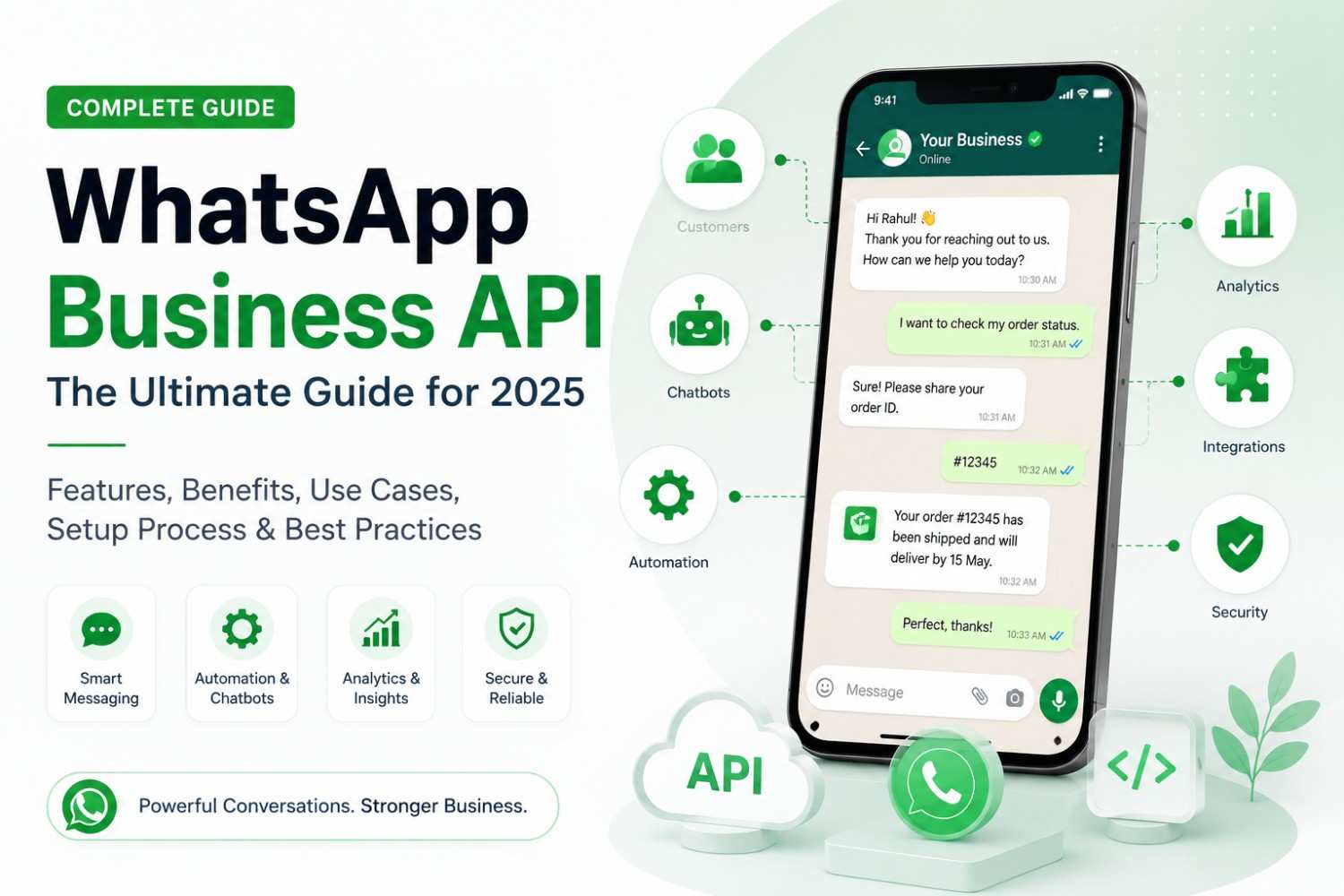
At its core, WhatsApp marketing for restaurants means using WhatsApp — either the free WhatsApp Business App or the more powerful WhatsApp Business API — to communicate with customers across their entire journey: menu discovery, reservations, order confirmations, delivery updates, promotions, loyalty rewards, and feedback collection.
For a single café or a neighbourhood dhaba, the WhatsApp Business App is often enough. It lets you set up a business profile with your menu, hours and location, use quick replies, and message customers directly, much like chatting with a friend.
But for multi-outlet restaurants, cloud kitchens, and QSR chains, that manual approach breaks down fast. This is where the WhatsApp Business API comes in — it enables automation, multiple team members handling chats at once, integration with your POS or CRM, and the ability to run restaurants WhatsApp marketing campaigns at scale without a single person typing every message by hand.
Either way, the underlying idea is the same: meet your customers on the app they already check dozens of times a day, instead of hoping they open a promotional email.
Why WhatsApp Outperforms Email and SMS for Restaurants
Food is an impulse category. A customer deciding “what should I eat tonight” makes that decision in minutes, not days — which means the channel that reaches them fastest usually wins the order.
Here’s how the numbers typically stack up across the industry:
| Metric | SMS | ||
|---|---|---|---|
| Typical open rate | 90–98% | 20–25% | 30–40% |
| Typical click-through rate | 45–60% | 2–5% | Varies |
| Average time to first open | Within minutes | Hours (if opened at all) | Minutes |
| Two-way conversation | Yes | No | Limited |
The gap isn’t marginal — it’s structural. Email lands in a crowded inbox and competes with dozens of other promotions. WhatsApp arrives as a push notification on a screen people check constantly throughout the day. For a restaurant sending a reservation reminder or a “table ready in 10 minutes” update, that difference between an email nobody opens and a WhatsApp message read within minutes is the difference between a no-show and a seated table.
Reservation reminders alone are known to meaningfully cut no-shows — industry data suggests a well-timed reminder can reduce no-show rates by 30–50%, since a simple nudge an hour before the booking gives customers the chance to confirm, reschedule, or cancel instead of silently not showing up — saving the table for someone else.
There’s also a cost angle that’s easy to overlook. Marketing message rates on WhatsApp in India are among the cheapest in the world compared to other major markets, which means restaurants can run frequent, relevant campaigns without the spend adding up the way traditional SMS blasts or paid social ads do. And unlike a boosted Instagram post that disappears from a feed within hours, a WhatsApp message sits in the customer’s chat list until they act on it.
A Simple Example
Picture a mid-sized restaurant in Delhi NCR running a weekend brunch. A customer who visited three weeks ago gets a WhatsApp message on Thursday evening: “Hey Priya, missed you at brunch! This Sunday we’ve added a new eggs benedict to the menu — book your table.” That single, personalized nudge — sent through a segmented WhatsApp broadcast — is far more likely to fill a table than a generic email sitting unopened in a promotions folder. This is the everyday reality of restaurants WhatsApp marketing done right: small, timely, relevant nudges that compound into consistent footfall.
Key Benefits of WhatsApp Marketing for Restaurants
1. More Orders, Higher Average Order Value
When ordering is as easy as sending a text, more customers actually complete the order. You can also nudge customers toward combos, add-ons, or a dessert they didn’t think to order — increasing average order value without extra ad spend.
2. Fewer No-Shows on Reservations
Automated confirmation and reminder messages give customers an easy way to confirm or cancel, which means fewer empty tables during your busiest hours.
3. Lower Dependence on Delivery App Commissions
Delivery aggregators can take a significant cut of every order. WhatsApp lets you build a direct relationship with customers — no middleman, no commission, and you own the conversation.
4. Stronger Customer Loyalty
Birthday greetings, “we miss you” win-back offers, and personalized recommendations based on past orders make customers feel remembered, not marketed at.
5. Faster Customer Support
When a customer has a complaint or a special request, replying within minutes on WhatsApp — instead of making them call and wait on hold — visibly shows you care, and it often turns a frustrated customer into a repeat one.
6. Effortless Feedback and Reviews
A simple post-visit WhatsApp message asking “How was your meal tonight?” gets far more responses than an email survey link ever will, giving you real insight into what’s working and what isn’t.
How Restaurants Are Using WhatsApp Marketing Today
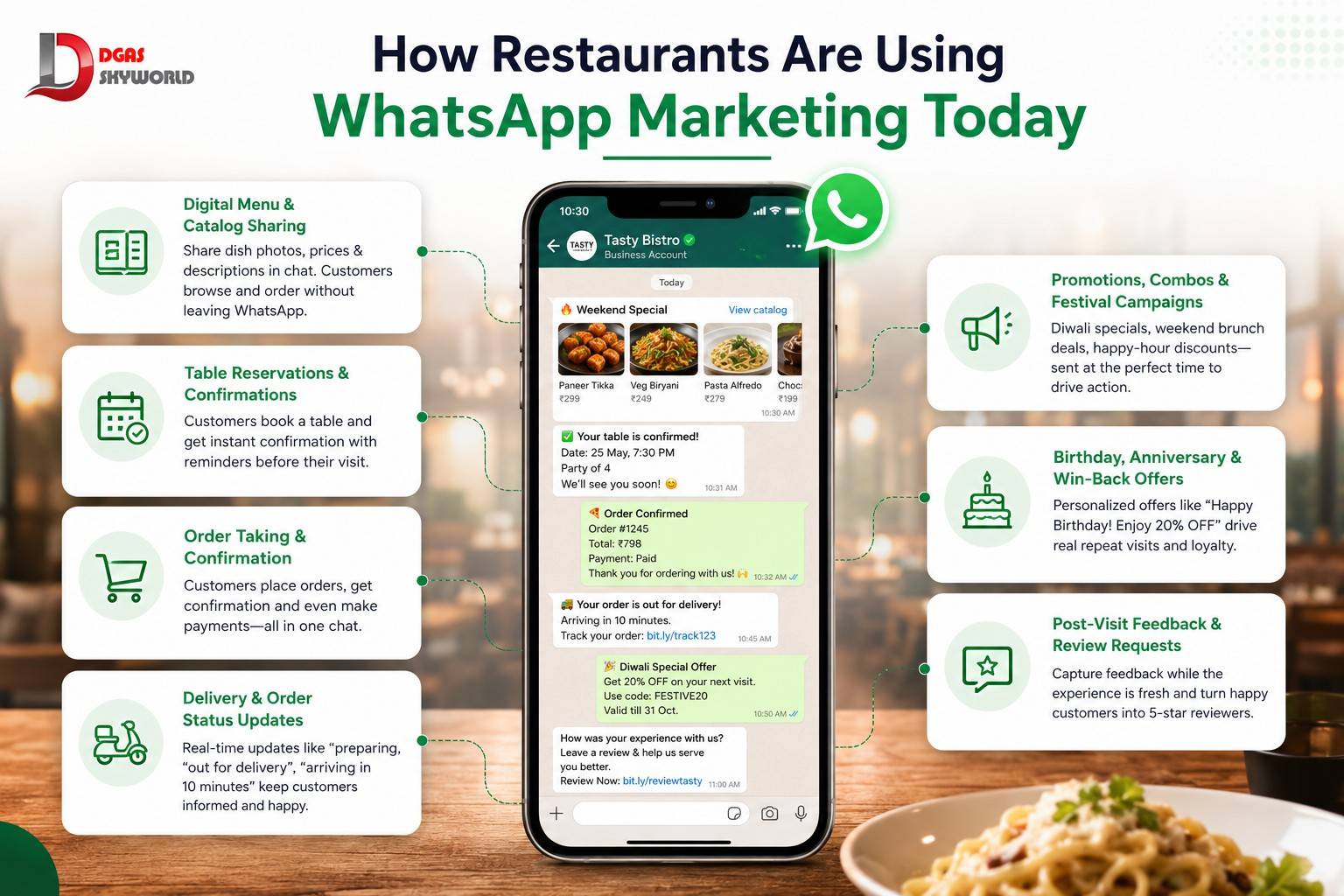
Digital Menu & Catalog Sharing — Instead of a static PDF nobody scrolls through, restaurants use WhatsApp’s catalog feature to show dish photos, prices, and descriptions right inside the chat, so customers can browse and order without leaving the app.
Table Reservations & Confirmations — Customers message to book a table and instantly get a confirmation, along with a reminder closer to the booking time.
Order Taking & Confirmation — Many restaurants now let customers place an entire order over WhatsApp, confirm it, and even collect payment in the same conversation.
Delivery & Order Status Updates — “Your order is being prepared,” “out for delivery,” “arriving in 10 minutes” — these updates reduce the anxious “where’s my food” calls to your front desk.
Promotions, Combos & Festival Campaigns — Diwali specials, weekend brunch deals, happy-hour discounts — broadcast to your customer list at the moment they’re most likely to act on it.
Birthday, Anniversary & Win-Back Offers — A personalized “come celebrate with us, here’s 20% off” message on someone’s birthday is a small gesture that drives real repeat visits.
Post-Visit Feedback & Review Requests — A quick, well-timed message after the meal captures feedback while the experience is still fresh, and can gently guide happy customers toward leaving a public review.
WhatsApp Marketing Strategies That Actually Work for Restaurants
Running effective WhatsApp marketing for restaurants isn’t about blasting every customer with every offer. It’s about relevance and timing.
- Segment your broadcast lists. Group customers by what they order, how often they visit, or their location, so a vegan customer doesn’t get a mutton biryani promotion.
- Personalize using order history. “Hi Rahul, loved your last order of butter chicken? We’ve added a new version to the menu” performs far better than a generic blast.
- Use Click-to-WhatsApp ads for lead generation. Meta ads that open directly into a WhatsApp chat make it effortless for a potential customer to start a conversation instead of filling out a form.
- Integrate WhatsApp buttons on your website and social media. Every extra step between “I’m hungry” and “I’ve ordered” is a chance to lose the customer — a one-tap WhatsApp link removes that friction.
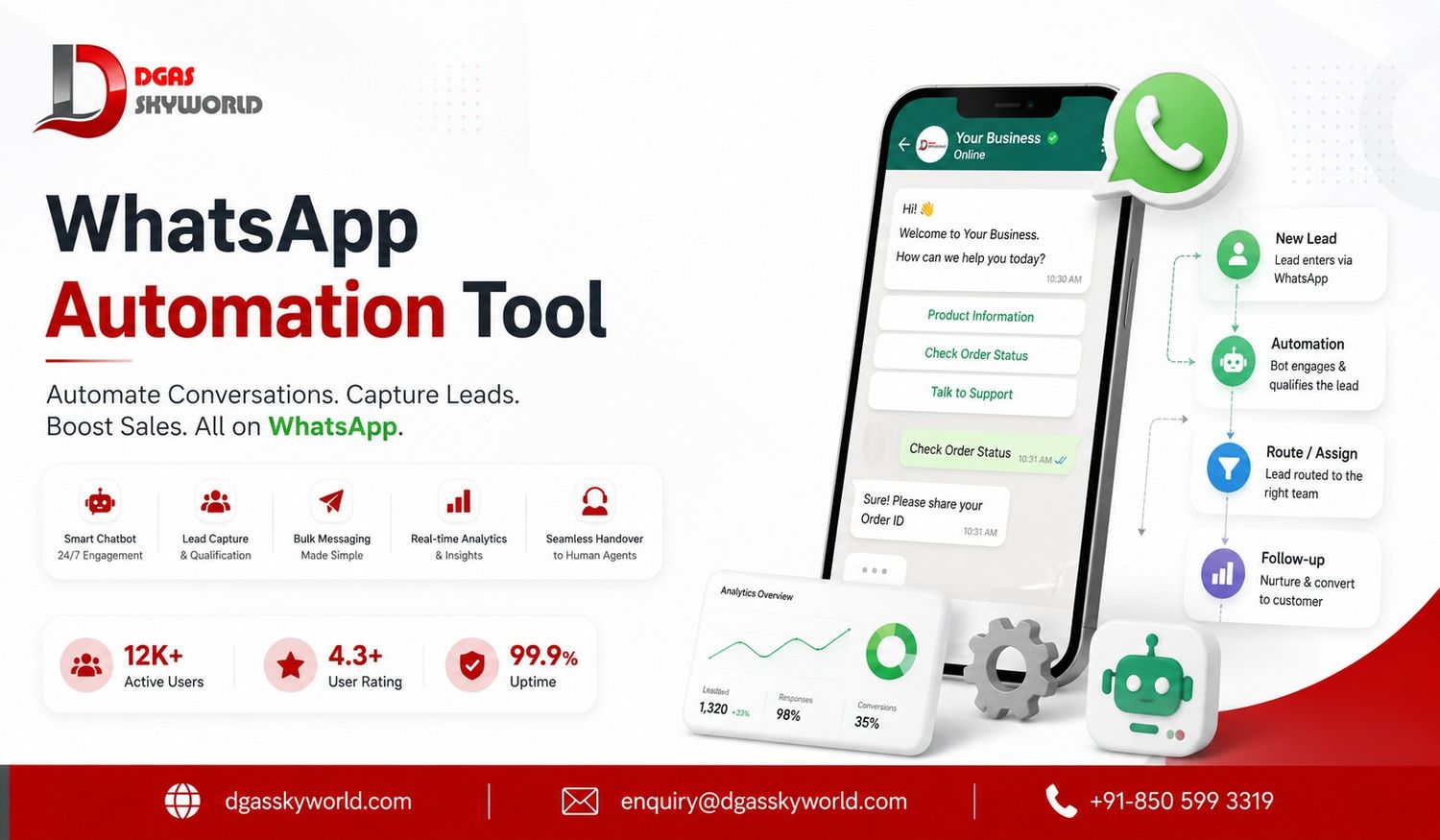
- Automate the repetitive flows. Order confirmations, reservation reminders, and FAQs (hours, location, parking) don’t need a human typing them out every single time.
WhatsApp Business API for Restaurants: When You Need to Scale
The free WhatsApp Business App works fine for a single outlet with modest volume. But it has real limitations: it runs on one device, can’t be used by multiple staff at once, offers no real automation, and gives you no analytics on what’s actually working.
For restaurant chains, cloud kitchens with multiple brands, or any business fielding hundreds of conversations a day, the WhatsApp Business API solves this. It allows:
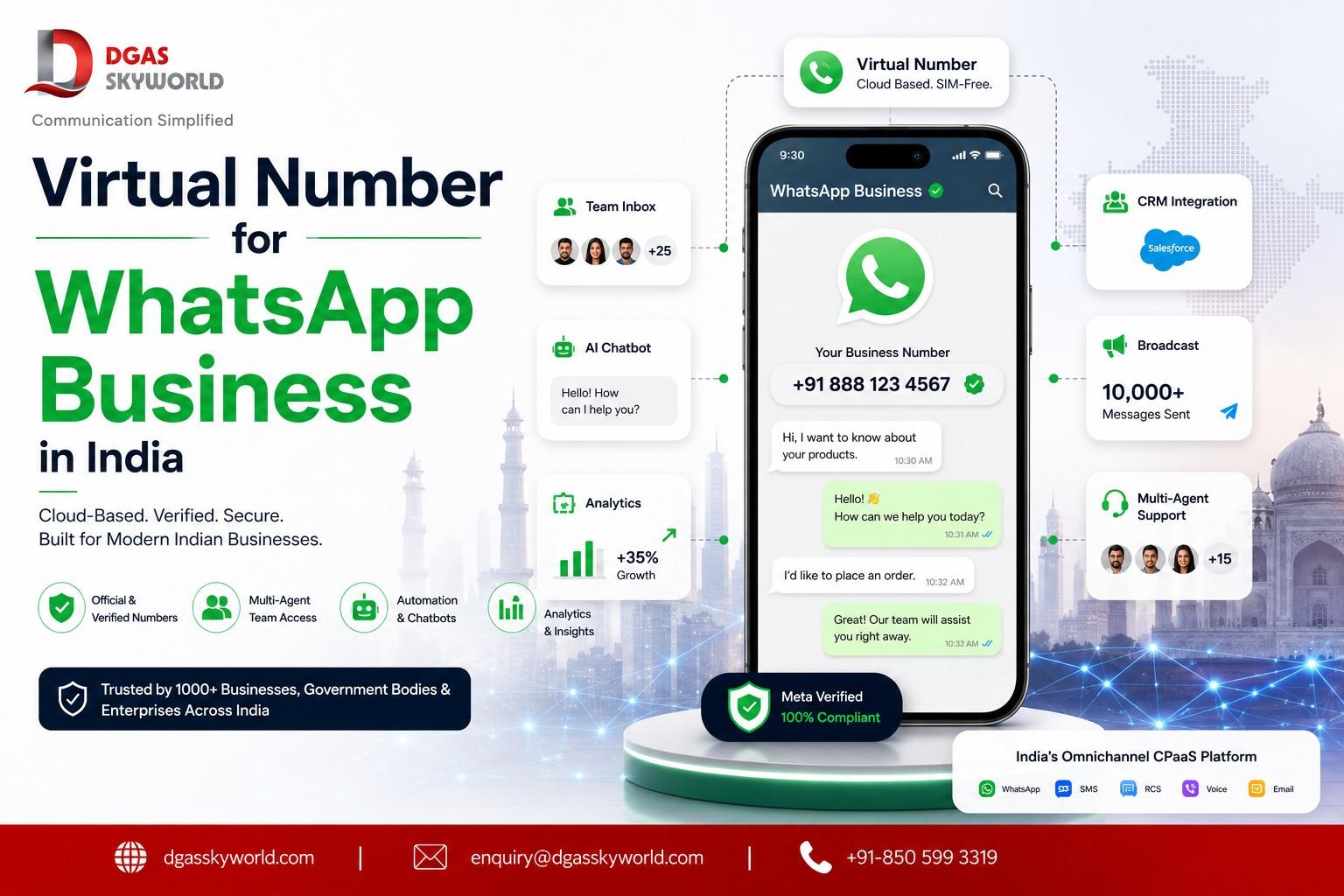
- Multiple team members handling chats from a shared inbox
- Automated message flows triggered by customer actions
- Integration with your POS and CRM, so order history and preferences follow the customer
- Detailed analytics on delivery, open, and response rates
- Verified business profile with the green tick, which builds trust before a customer even opens the chat
This is also where the choice of provider matters. A restaurant evaluating a WhatsApp marketing service provider for restaurants should look for one that’s an official WhatsApp Business API partner — not a reseller layering extra markup and delays on top.
Why Omnichannel CPaaS Matters for WhatsApp Automation
Here’s something most restaurant owners don’t think about until it bites them: WhatsApp messages don’t always land. A customer might have an old number, a full inbox, or simply not be on WhatsApp at all. If your entire customer communication strategy lives inside a single channel, a delivery failure becomes a lost booking or a missed order update.
This is exactly why an omnichannel CPaaS (Communications Platform as a Service) approach makes sense for restaurants scaling their WhatsApp automation:
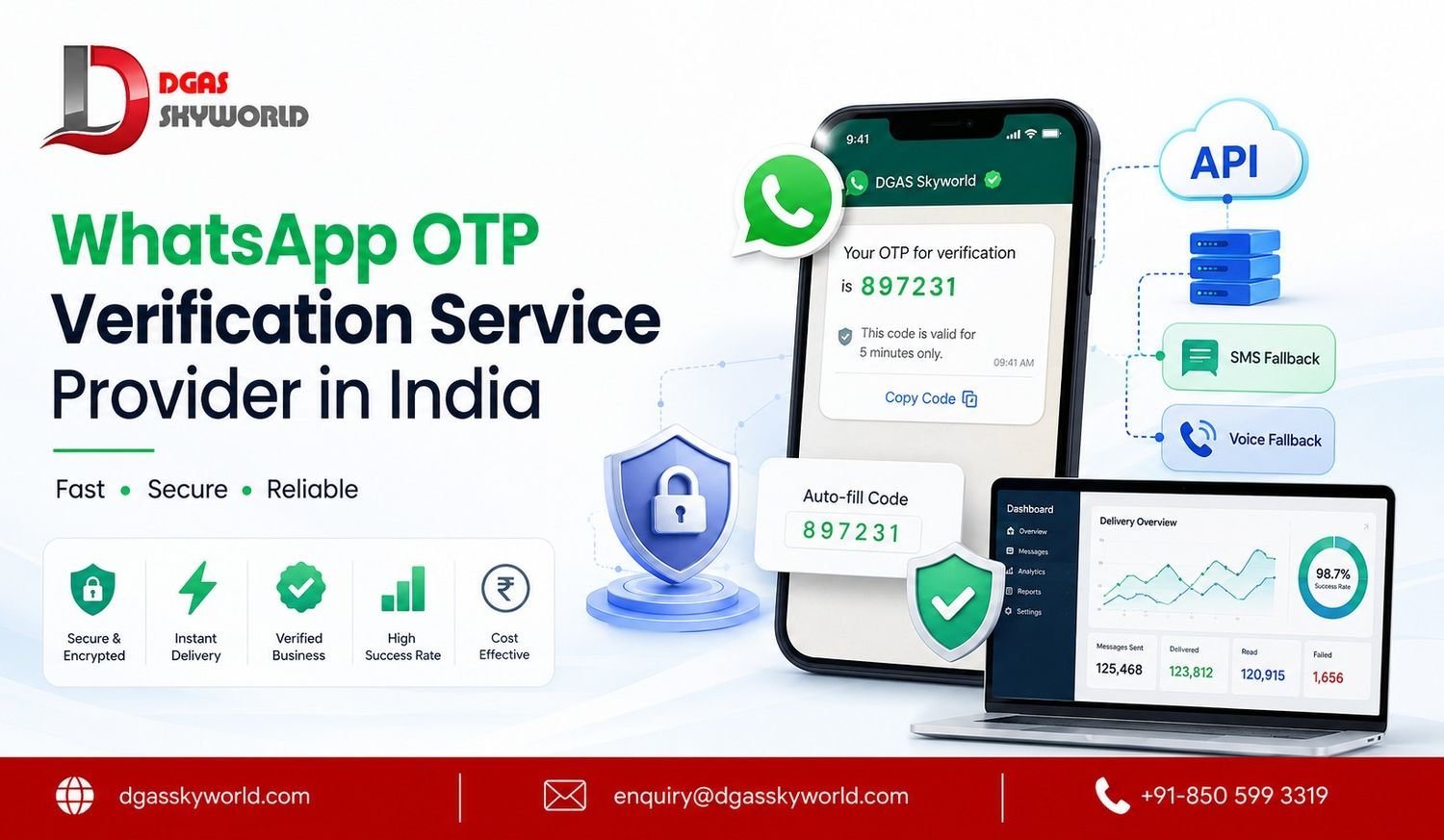
- Automatic fallback across channels. If a WhatsApp message isn’t delivered or read within a set window, the same platform can automatically retry over SMS or RCS, so the customer still gets their reservation reminder or order update.
- One customer view across every channel. Instead of your WhatsApp data sitting in one tool and your SMS data in another, an omnichannel CPaaS platform keeps a single, unified customer record.
- Higher overall delivery guarantee. No restaurant wants to lose a booking because of one channel’s downtime — a multi-channel stack removes that single point of failure.
- Centralized reporting. One dashboard showing how reservations, promotions, and delivery updates performed across WhatsApp, SMS, RCS, and email — instead of stitching together five different tool exports.
- Room to grow. As a restaurant expands from one outlet to ten, an omnichannel platform scales with voice call reminders, AI chatbots, and email campaigns sitting alongside WhatsApp — without switching vendors every time you add a channel.
In short: WhatsApp should be your primary channel, but it shouldn’t be your only one. That’s the philosophy behind an omnichannel CPaaS setup.
Getting Started: A Simple 3-Step Setup
You don’t need a complicated rollout to start seeing results from WhatsApp marketing for restaurants.
- Set up your business profile. Whether you start with the free WhatsApp Business App or move straight to the API, get your menu, hours, location, and branding in place first — this is what builds instant trust with a new customer.
- Build your opted-in customer list. Collect numbers at the point of reservation, order, or dine-in checkout, with clear consent to send updates and offers.
- Start with the essentials, then automate. Begin with reservation confirmations and order updates — the transactional messages customers actively want — before layering in promotional broadcasts and win-back campaigns.
Once these three pieces are in place, scaling up to multi-outlet automation, POS integration, and omnichannel fallback becomes a natural next step rather than a from-scratch overhaul.
Best Practices for Restaurant WhatsApp Marketing
- Get consent first. Only message customers who’ve opted in — through a reservation, an order, or a sign-up at the table. This keeps engagement high and complaint rates low.
- Don’t over-message. One relevant offer beats five generic ones. Excessive messaging is the fastest way to get muted or blocked.
- Use clear calls to action. “Book Now,” “Order Now,” “View Menu” — tell the customer exactly what to do next.
- Time it right. Messages sent shortly before typical lunch and dinner decision windows tend to convert better than random-hour blasts.
- Lean on visuals. A photo of a sizzling dish does more work than three lines of text ever could.
- Track what’s working. Delivery rates, open rates, and reply rates should guide your next campaign, not guesswork.
Common Mistakes to Avoid
Even well-meaning restaurants stumble here. The most common mistakes: sending the same broadcast to every customer regardless of preference, going quiet when a customer replies (which kills the trust WhatsApp is built on), letting the digital menu go stale while prices change in-house, and over-automating to the point where every interaction feels robotic instead of like talking to a restaurant that actually knows you.
Another mistake worth flagging: treating WhatsApp as a one-way broadcast tool instead of a conversation. The whole advantage of WhatsApp marketing for restaurants is that customers reply — they ask questions, request changes, and give feedback in real time. A restaurant that broadcasts offers but never checks incoming replies is leaving both revenue and goodwill on the table.
DGAS Skyworld: A Trusted WhatsApp Marketing Service Provider for Restaurants
If you’re evaluating a WhatsApp marketing service provider for restaurants in India, infrastructure and trust matter as much as features. DGAS Skyworld has been building CPaaS solutions in India since 2017, and operates as an official WhatsApp Business API provider — not a middleman reseller — offering WhatsApp Business API, SMS API, Enterprise Voice Solutions, RCS Messaging, Truecaller Messaging, AI Chatbot, and Email API, all under one omnichannel platform. Every service is built and delivered exclusively within India.
Trusted by Government Bodies, PSUs & Leading Enterprises
DGAS Skyworld has delivered 10+ successful projects for government and public sector organizations, including Agra Nagar Nigam, Gujarat Council on Science and Technology, Punjabi University Patiala, and the Indian Institute of Foreign Trade — a level of scrutiny and compliance that few CPaaS providers are trusted with. Beyond the public sector, DGAS Skyworld also serves private enterprises across Healthcare, Banking, E-Commerce, Real Estate, Education, Logistics, and Retail.
For a restaurant chain, that combination — government-grade reliability plus enterprise-scale infrastructure — means you’re partnering with a provider built to grow with you, from a single outlet’s WhatsApp catalog to a multi-city chain’s full omnichannel automation stack.
Ready to put WhatsApp to work for your restaurant? Book a free demo with DGAS Skyworld and see how our WhatsApp Business API and omnichannel CPaaS platform can fit your restaurant’s growth.
Conclusion
WhatsApp marketing for restaurants isn’t an experiment anymore — it’s what customers already expect. The restaurants winning right now are the ones treating WhatsApp as core infrastructure: reservation reminders that cut no-shows, personalized offers that bring lapsed diners back, and order updates that keep customers informed without a single phone call. Pair that with an omnichannel CPaaS approach so no message ever gets lost to a single channel’s limits, and you have a communication system that scales as fast as your restaurant does.
Have questions about setting this up for your restaurant? Reach the DGAS Skyworld team at +91-850 599 3319 or contact DGAS Skyworld.
Frequently Asked Questions
1. What is WhatsApp marketing for restaurants?
It’s the use of WhatsApp — through the free Business App or the more powerful Business API — to handle reservations, take orders, share menus, send promotions, and collect feedback directly with customers.
2. Is the WhatsApp Business API better than the WhatsApp Business App for restaurants?
For a single outlet with light volume, the free app is often enough. For multi-outlet chains or high message volume, the API adds automation, multi-agent support, CRM integration, and analytics the free app can’t offer.
3. Can restaurants take orders directly on WhatsApp?
Yes. Customers can browse a digital catalog, place an order, and even complete payment within the same WhatsApp conversation.
4. How much does WhatsApp Business API cost for restaurants in India?
Costs depend on message category (utility, marketing, authentication) and volume, with India generally among the more affordable markets globally for WhatsApp Business API messaging. Your provider can give you an exact breakdown based on your expected message mix.
5. Who is a reliable WhatsApp marketing service provider for restaurants in India?
Look for an official WhatsApp Business API provider with a track record across government, PSU, and enterprise clients — that level of trust generally reflects stronger compliance and reliability. DGAS Skyworld is one such provider, active in India since 2017.
6. Is WhatsApp marketing effective for small restaurants and cafés?
Yes — even the free WhatsApp Business App gives small restaurants a professional profile, digital menu, and direct line to customers at essentially no cost.
7. What is omnichannel CPaaS and why does it matter for WhatsApp automation?
It’s a single platform combining WhatsApp with SMS, Voice, RCS, and Email, so if one channel fails to deliver, another can pick up the message — ensuring customers still get critical updates like reservation confirmations.
8. Does DGAS Skyworld provide WhatsApp marketing services outside India?
No. DGAS Skyworld provides its full CPaaS suite, including WhatsApp Business API, exclusively within India.